There is a moment, driving south-west from Inverness along the A82, when the land opens and a long dark ribbon of water appears below the road. That is Loch Ness, and it lives up to the drama of its reputation. Most visitors come for the legend, but they stay for the setting: steep wooded hills, a ruined castle on a headland, and one of the largest, deepest bodies of fresh water in Britain stretching almost out of sight. This is a guide to actually visiting Loch Ness and Urquhart Castle, whichever way you choose to arrive.
Getting to Loch Ness
The practical gateway is Inverness, the capital of the Highlands, and Inverness Airport (INV) sits about seven miles east of the city. From there the northern shore of Loch Ness and the village of Drumnadrochit are roughly a 25 to 30 minute drive along the A82. Direct flights reach Inverness from several UK and European airports, and the city itself is well connected by rail and road.
You have two sensible ways to see the loch. The first is to hire a car at the airport, which gives you the freedom to stop at viewpoints, reach Urquhart Castle when it opens, and carry on around the loch or deeper into the Highlands afterwards. The second is to join an organised tour from Inverness; many combine a coach transfer, a loch cruise and castle entry in a single day, which is ideal if you would rather not drive. Both approaches work well, so it comes down to how much of your itinerary you want to control.
Fly into the Highlands
Inverness Airport is the closest gateway to Loch Ness, about 25 to 30 minutes from Drumnadrochit and Urquhart Castle by car or tour.
Urquhart Castle
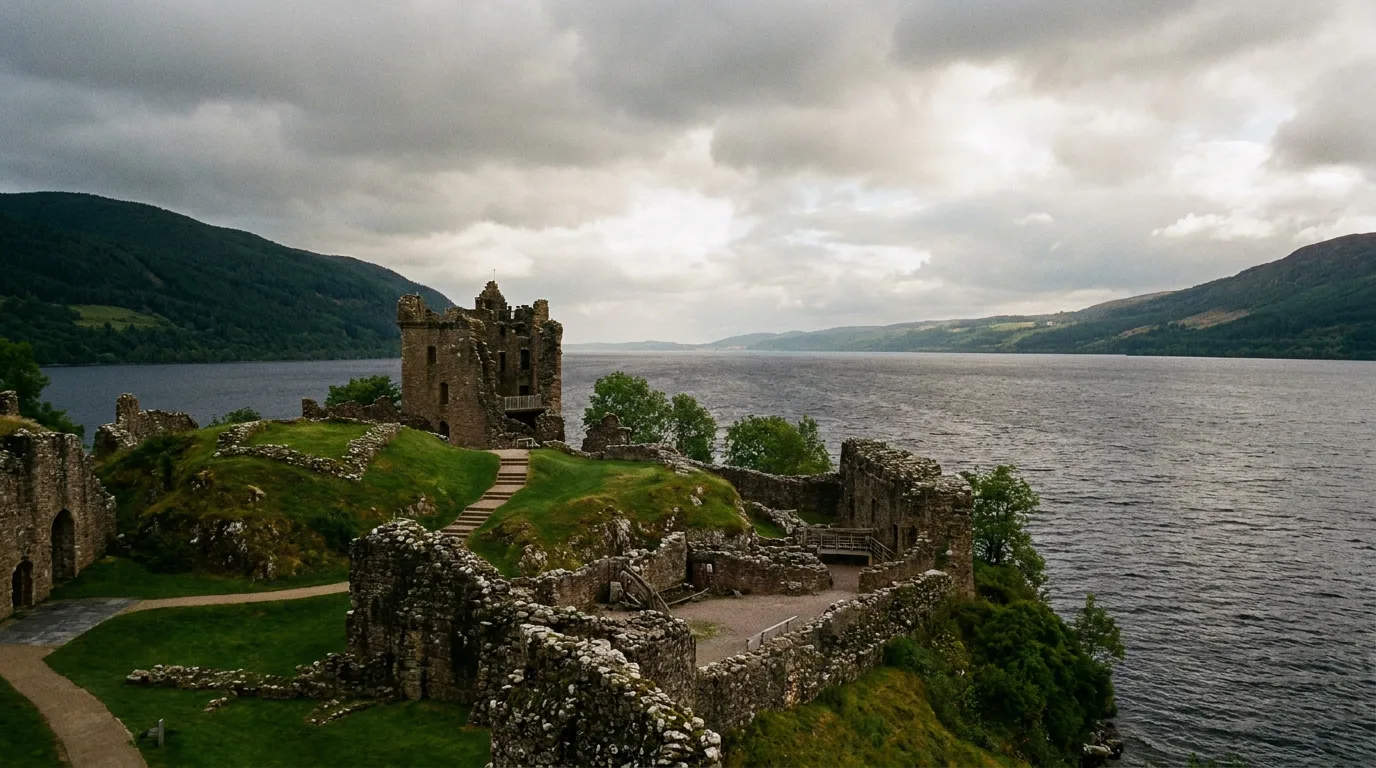
Urquhart Castle is the image most people carry of Loch Ness: a broken tower and curtain walls perched on a rocky headland above the water, with hills rising on the far shore. It stands on the loch's western side on the A82, roughly 21 kilometres south-west of Inverness and around two kilometres east of Drumnadrochit, so it is an easy first stop as you follow the loch south.
The castle is looked after by Historic Environment Scotland and is consistently one of the country's most visited historic sites, in the same company as Edinburgh and Stirling castles. The ruins you walk today largely date from the 13th to 16th centuries, though the site guarded this stretch of the Great Glen for far longer, and its 500 years as a medieval stronghold saw plenty of conflict before it was partly blown up and abandoned. Climbing the surviving Grant Tower for the view back along the loch is the highlight for most people.
There is a modern visitor centre set into the hillside below the car park, with a short film, a display of medieval finds, a cafe and a shop. Because the castle is so popular, timed entry and pre-booking are strongly advised in the summer months; arriving early or late in the day also rewards you with thinner crowds and better light. Always check current opening times and prices with Historic Environment Scotland before you set off, as these change seasonally.
Cruising the loch (and the legend)
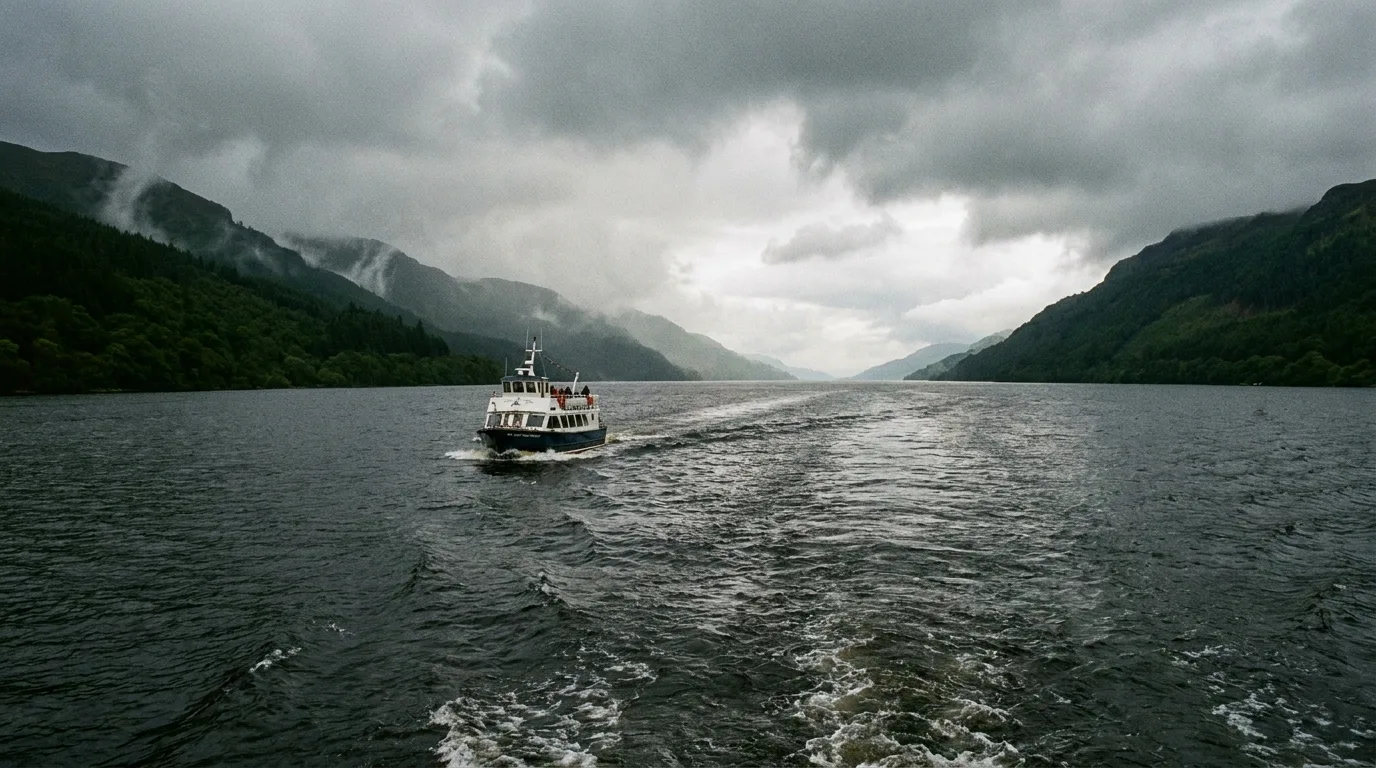 A sightseeing cruise boat on Loch Ness · Illustration generated with AI Loch Ness is genuinely remarkable before you factor in any monster. It runs for about 37 kilometres (roughly 23 miles) through the Great Glen and reaches a depth of around 230 metres (about 755 feet). Thanks to that depth it holds more water than every lake in England and Wales combined, which is a large part of why its peat-dark surface feels so bottomless and why the folklore has proved so durable.
The best way to feel the scale is from the water. Boat cruises run from both ends: operators such as Jacobite sail from the Inverness side of the loch, while Loch Ness Cruises run their smaller Nessie Hunter from Drumnadrochit during the season. Trips range from short one-hour sailings to longer excursions, and several combine time on the water with a stop at Urquhart Castle, so you can see the ruin from the loch and then wander it on foot. Many boats carry sonar screens and commentary, which lean into the mystery in good fun. Sailings are seasonal and weather-dependent, so book ahead and confirm departure points, which are not all in the same place.
For the story itself, the Loch Ness Centre in Drumnadrochit is the place to go. Reopened after a major refurbishment in 2023, it walks you through 500 million years of the loch's geology, the eyewitness accounts, and the real scientific expeditions that have searched these waters, treating the legend as the cultural phenomenon it is rather than settled fact. It makes a good rainy-afternoon pairing with a cruise or a castle visit.
Where to base yourself
Two bases make sense. Inverness offers the widest choice of hotels, guesthouses and restaurants, plus rail links and the airport, and puts you within easy reach of the whole area; it suits travellers who want city comforts and day trips in several directions. Drumnadrochit, the village beside Urquhart Bay, is smaller and quieter but sits right on the loch, next to the castle, the Loch Ness Centre and cruise moorings, which is ideal if you want to wake up on the water and skip the daily drive in.
Beyond those, small inns and B&Bs are dotted along both shores. Wherever you choose, book early for summer and for the shoulder-season weekends, as Highland rooms near the loch fill quickly.
Where to stay near Loch Ness
Base yourself in Inverness for choice and transport links, or in Drumnadrochit to be right on the loch beside Urquhart Castle.
When to go and booking
Late spring through early autumn brings the longest daylight, the fullest cruise timetables and the greenest hills, but also the biggest crowds at Urquhart Castle. Late April to June and September are a fine compromise, with milder queues and long evenings. Winter is atmospheric and often beautifully moody, though some cruises pause and opening hours shorten, so check before you travel. Whenever you come, pack for changeable Highland weather in a single day.
A rough order of booking: secure flights or your hire car first, then your accommodation, then any castle timed entry and cruise tickets once your dates are firm. Because opening times, sailing schedules and prices shift with the season, confirm each directly with the operator close to your trip rather than relying on older listings.
Plan the rest of your trip
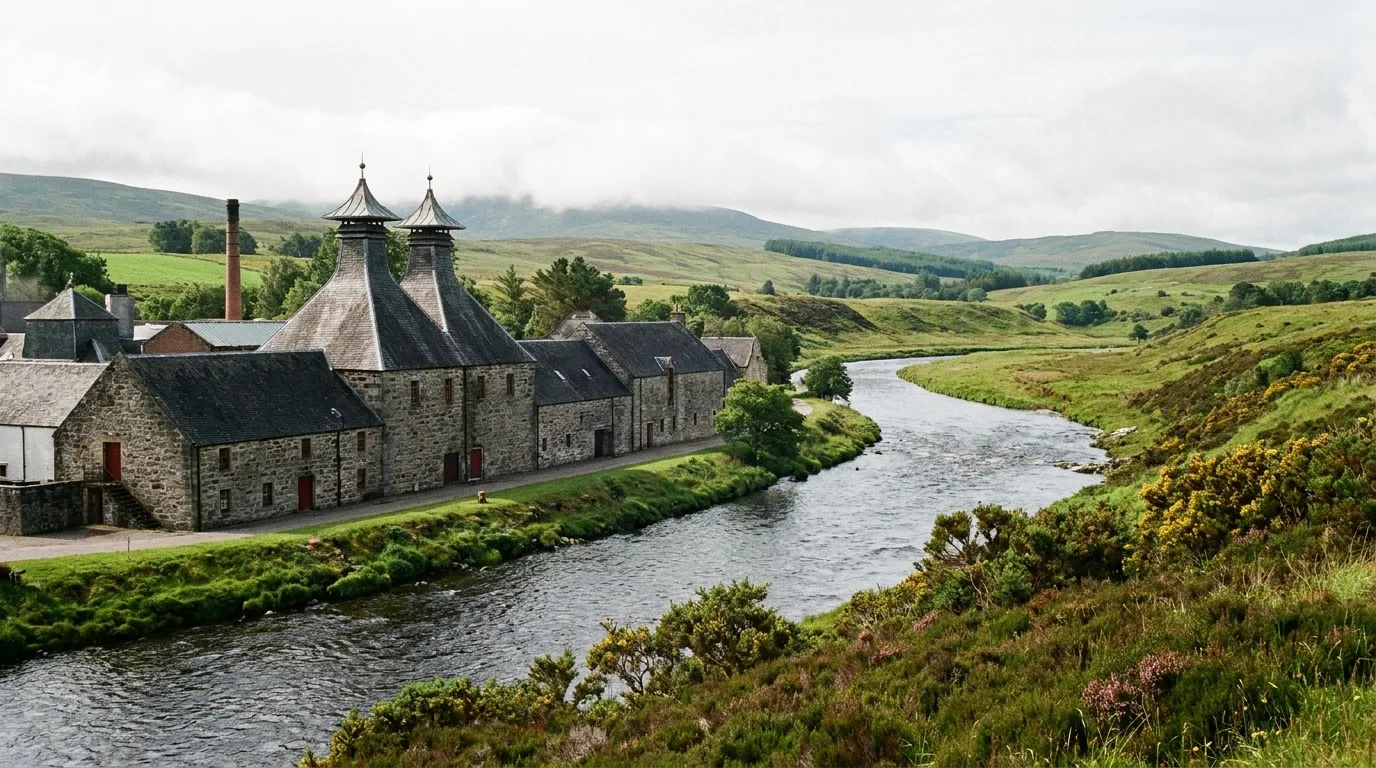
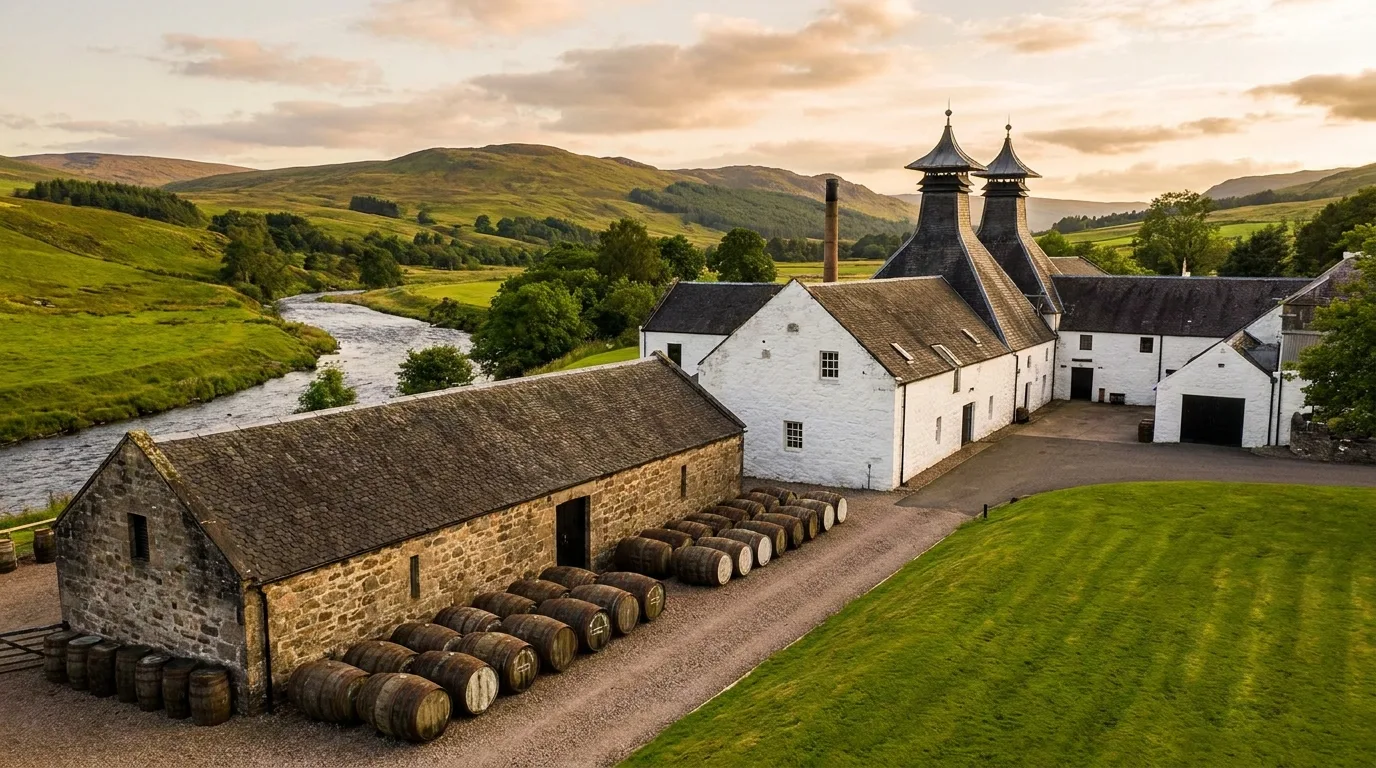
Loch Ness rewards a longer Highland itinerary. If castles are your thing, our guide to Scotland's castles sets Urquhart in context, and the sibling Eilean Donan and Highland castles guide pairs naturally with it as another classic drive from Inverness. Prefer a dram to a rampart? The Highland whisky distilleries route covers the distilleries clustered near the same base. And if you are still shaping the journey, start from Inverness Airport or browse all our airport guides to work out the smartest way in.
All route, opening and pricing details should be confirmed against official sources (Historic Environment Scotland, the Loch Ness Centre, cruise operators and Inverness Airport) before you travel, as times and prices change seasonally.